
INSPIRATIONS
Words for 2026
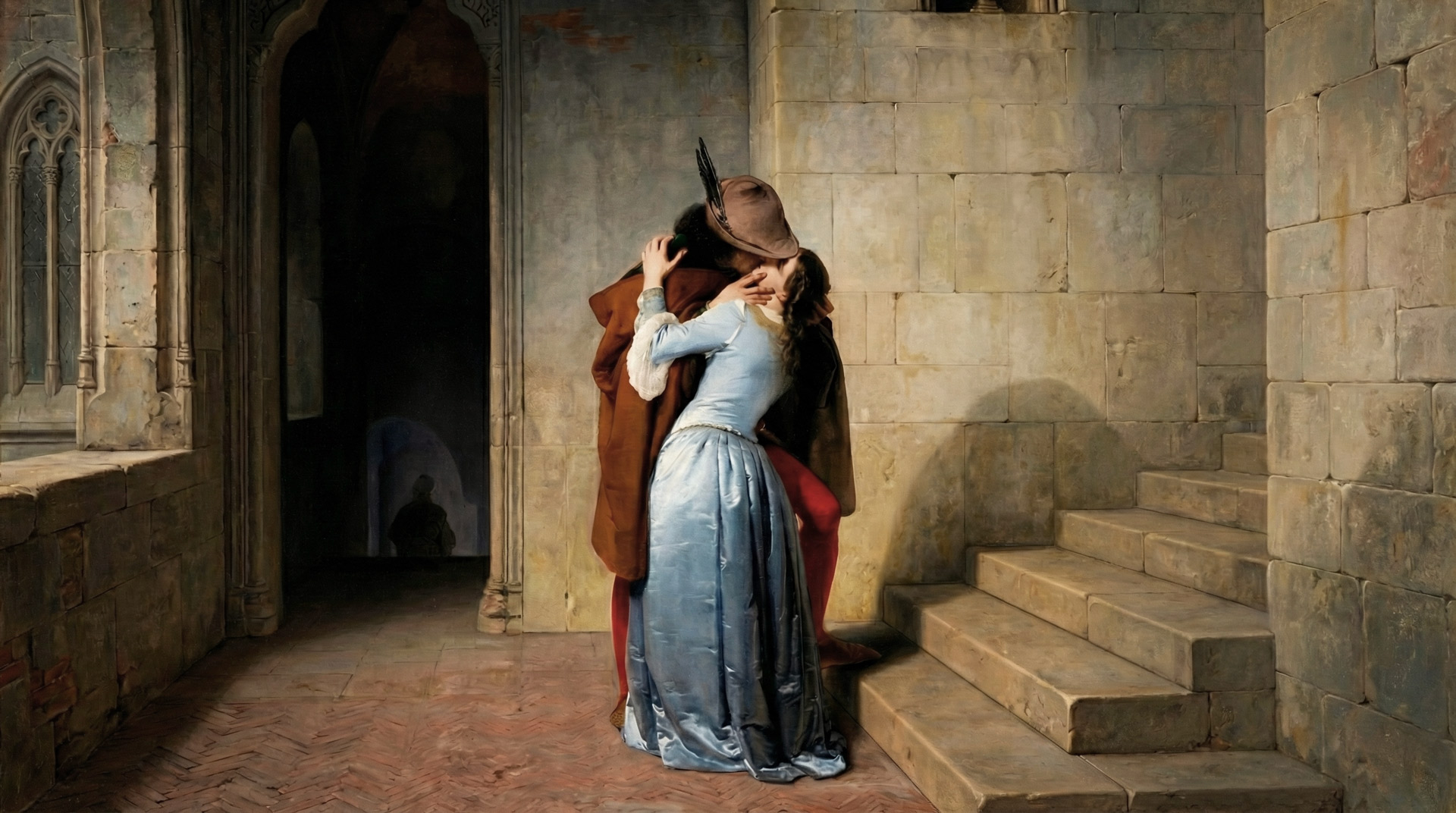
I like it. Or I don’t like it. We say this when we choose a coat or a house, when we taste grandpa’s minestrone or look at Hayez’s The Kiss, when we prefer a life spent in an armchair or a life of recklessness. More than answers, they resemble instinctive, gut reactions: to say I like or dislike something, there is no need for lengthy evaluations or complex calculations; the answer is rather quick, sometimes instantaneous, often without a real reason, given after the fact. I like or dislike are not based on logic that is the same for everyone. Do you like something or someone? Then you are already excited, even if the reasons for your liking are inscrutable, they are certainly unique.
Unique. Each of us has our own likes and dislikes, patiently formed since childhood. These are subjective impressions resulting from experiences that we consider more or less pleasant or that bring advantages or disadvantages. If the experience was good, then the rating is a like; otherwise, it is a dislike. Likes and dislikes constitute, in a wonderfully simplified way, our system of approval or disapproval of things: if I like it, it’s a yes; if I don’t like it, it’s a no: on-off, like a switch. If I like it, I buy the coat; if I don’t like the minestrone, my grandfather eats it. They also form our database: likes and dislikes give qualitative value to experiences, guide both insignificant and relevant choices, and populate our memory.
Memory. This is where we store our impressions, their effects and our well-known likes and dislikes. Memory acts as a data archive, from which we can retrieve content and relive it as if it were happening now. Just recall the experience and – hey presto – that first kiss with your loved one magically happens right now, clear and intense even though it happened a day or a lifetime ago, and you remember clearly how beautiful it was and why it is so pleasantly unforgettable. But memory can also be torturous; you can get caught up in a bad memory that is difficult to let go of or believe that time has never passed without healing any wounds. Whether pleasant or not, we are talking about experiences whose effects can be felt so strongly that they seem real, but be careful, they are impressions. To avoid the pitfalls of memory, you need to have a certain amount of mastery.
Mastery. Remarkable skill developed in the practice of a craft or art form. To achieve mastery, you need sensitivity, as if it were love; intuitive ability to know which direction to take, as if it were the most natural thing in the world; precision in your movements, as if it were an indispensable necessity; tirelessness in your research, as if there were no end in sight; great courage when you have to start over, as if it were the only way to learn; and a sea of patience, as if it were an endless expanse to cross. Any activity can be performed with mastery; it is a matter of choice and you don’t need to be an artist. Mastery is a personal attitude; it has a quiet dignity. When mastery is expressed, it becomes a universal good, reverberating with a life of its own regardless of its author. This means that mastery has its own intrinsic intelligence.
Intelligence. Artificial intelligence is the star of the moment, it is the buzzword. Many objects and functions are now equipped with this kind of intelligence, and we are now able to do more things, more efficiently and at an impressive speed. Professions are changing, as are ways of thinking and, consequently, ways of perceiving. However, despite the undeniable advantages, there are those who are not in favour of this unprecedented form of development, who harbour fears and are against it: the wave of innovation is sweeping away tried and tested methods and established procedures, things will never be the same again, technology will prevail, who knows where we will end up. It’s true, who knows where we will end up… but this was also true before, with human intelligence alone. All that remains is to welcome and embrace the new: we need new teachers and future masters.
Sound design and production: Marco Rossetti


